
Busting the most common myths about gambling What you need to know
Understanding the Odds
One of the most pervasive myths in gambling is that certain games are rigged against players, leading many to believe that the odds are always stacked unfairly. In reality, every game has a statistical probability based on its design. For instance, when you play a slot machine, the return to player (RTP) percentage indicates how much money is expected to be returned to players over time. This means that while luck plays a crucial role, understanding the odds can help players make informed choices. So, if you’re eager to dive deeper into this topic, visiting the official website can provide valuable insights.

Furthermore, some players assume that if they lose several times in a row, they are “due” for a win. This misunderstanding of probability leads to the gambler’s fallacy, where individuals believe past events influence future outcomes in independent scenarios. For example, flipping a coin does not change the odds of heads or tails in future flips, and the same goes for gambling games. Knowing this can help players manage their expectations and approach gambling with a clearer mindset.
Additionally, casinos are often thought to be intimidating places where the house always wins. However, many casinos operate on principles of fairness and transparency. Regulations in various jurisdictions require casinos to adhere to strict standards, ensuring that games are fair and outcomes are random. Players can feel more confident knowing that reputable establishments take these regulations seriously, providing a safe and fair environment for gambling.
Strategies for Winning
A common belief is that specific strategies can guarantee wins in games of chance. While certain games, like poker, do involve skill, the idea that players can consistently win at games like blackjack or roulette by following a set strategy is misleading. This misconception often leads to players investing time and money in systems that promise success but do not hold up against the reality of randomness.
Many players turn to betting systems, such as the Martingale or Fibonacci strategies, believing they can beat the odds. However, these systems often fail to consider the house edge and the limits that casinos impose on bets. In fact, while these strategies may provide a temporary illusion of control, they can lead to significant losses over time, reinforcing the notion that gambling is ultimately unpredictable.
Understanding the nature of games and knowing when to stop are essential parts of responsible gambling. Players should focus on enjoying the experience rather than solely aiming to win. By setting limits and recognizing that losses are a part of the game, individuals can better navigate their gambling activities. This mindset allows for a more enjoyable and less stressful experience, ultimately leading to a healthier approach to gambling.
The Role of Luck vs. Skill
The debate between luck and skill is a persistent myth in gambling circles. Many believe that skill can overcome luck in every scenario, but this isn’t always the case. In games like blackjack and poker, skill plays a significant role, as players can make decisions that impact their outcomes. However, in purely chance-based games such as slots or roulette, luck is the primary factor. Recognizing the difference between these types of games is crucial for setting realistic expectations.
Moreover, even in skill-based games, luck remains an inevitable component. For instance, a poker player may have superior skills but still face bad luck with card draws. This element of unpredictability makes gambling exciting but also risky. Players should embrace the role of luck while honing their skills to improve their chances in games where strategy matters. Balancing these aspects can lead to a more fulfilling gambling experience.
In essence, gambling should be seen as a mix of both luck and skill, depending on the game being played. Understanding where each element fits can help players strategize effectively. Knowledge of the games, alongside acceptance of the inherent randomness, allows players to engage more fully and responsibly in their gambling pursuits.
Misperceptions about Celebrity Gamblers
The world of gambling is often romanticized, particularly through the lens of celebrity gamblers who appear to win large sums effortlessly. This portrayal leads to myths about gambling being an easy path to wealth. In reality, most celebrity gamblers have invested significant time and effort into honing their skills or have considerable financial backing that allows them to take substantial risks. The narrative surrounding them often ignores the failures and losses that accompany their successes.
Moreover, the lifestyle of celebrity gamblers is not as glamorous as it appears. Many high-stakes players face immense pressure and scrutiny, balancing their public personas with the reality of gambling’s inherent risks. This pressure can lead to detrimental financial and emotional consequences, countering the myth that gambling is merely a glamorous pursuit. Understanding the complexities behind these public figures can provide a more accurate picture of the gambling world.
Lastly, aspiring gamblers should remember that the glamour seen in media often obscures the reality of responsible gambling. While celebrity success stories can be inspiring, they are not representative of the average player’s experience. To navigate the gambling landscape wisely, individuals must look beyond the myths and focus on their strategies, limits, and enjoyment in the process.
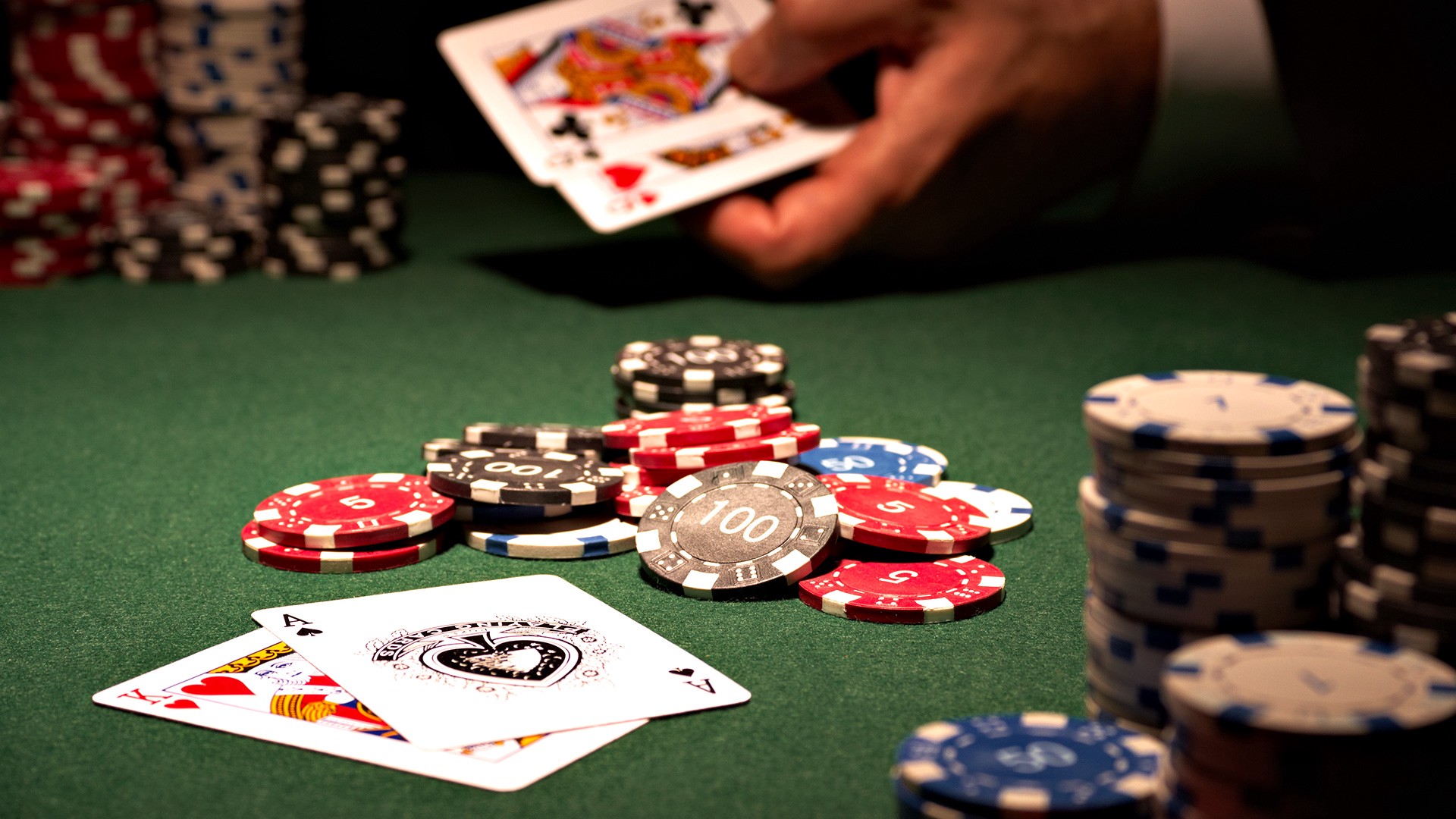
Your Guide to Safe Online Gambling
As online gambling continues to grow in popularity, it is crucial to approach it with caution and knowledge. Many players believe that online gambling is inherently unsafe or that they cannot trust the operators. In truth, reputable online casinos are licensed and regulated, ensuring fair play and secure transactions. Players should seek out platforms with proper licensing and positive reviews to enhance their gaming experience safely.
Additionally, many players overlook the importance of responsible gambling practices. Setting budgets, using self-exclusion tools, and understanding the games being played are all essential parts of a safe gambling experience. Online casinos often provide resources and support for players, including tips for safe gambling and links to help organizations. Taking advantage of these resources can lead to a healthier relationship with gambling.
Finally, the online gaming community is vast and filled with resources for players looking to improve their skills or find support. Engaging with forums, reading reviews, and seeking advice from experienced gamblers can provide valuable insights. By prioritizing safety and responsible practices, players can fully enjoy the advantages of online gambling while minimizing risks.